

Retaining Wall Installation Glendale CA
Give Your Glendale Yard More Structure
Retaining wall installation in Glendale, CA should begin with the property itself. Changes in ground level, slopes, soil conditions, drainage, existing hardscape, and the surrounding landscape can all influence how a wall should fit into an outdoor space.
For some homeowners, a retaining wall can help define different levels of a backyard. For others, it may sit alongside a patio, walkway, planting area, or another part of a larger landscape project.
At Pristine Gardenscape, we look at these connections from the beginning.
Our design-and-build approach means the wall is considered alongside the complete outdoor environment. The goal is to create something functional that also feels like it belongs with your home and landscape.
What Matters in Retaining Wall Design?
A retaining wall needs to work with both the ground and the surrounding landscape.
Several factors can shape the project.
Soil and Changing Ground Levels
Soil movement and changes in grade are important considerations when planning wall construction.
The amount of soil around the wall, the surrounding slope, and the relationship between different levels of the yard can influence the project direction.
Looking at these conditions early helps establish a practical plan before construction begins.
Drainage Around the Wall
Water collecting behind a retaining wall can create pressure, and saturated backfill is a leading cause of retaining wall failure when water builds up behind the wall, which makes proper drainage an important part of retaining wall planning.
Drainage should therefore be considered together with the surrounding grade and landscape rather than treated as an afterthought. Details such as weep holes or French drains help relieve hydrostatic pressure and can reduce the risk of cracks caused by ongoing moisture and soil pressure.
Pristine Gardenscape provides drainage as one of its landscape construction services, allowing drainage needs to be considered alongside retaining walls and other outdoor features where they form part of the project. In Glendale, clay soils can increase the risk of drainage failure if drainage is not planned correctly.
Materials That Suit the Outdoor Space
The material used for a wall has a major influence on its appearance.
Concrete, block, and natural stone can create very different results. Instead of selecting a material on appearance alone, it helps to consider the house, nearby pavers, patios, walkways, planting, and other landscape features.
The aim is to create a wall that blends naturally with its surroundings.
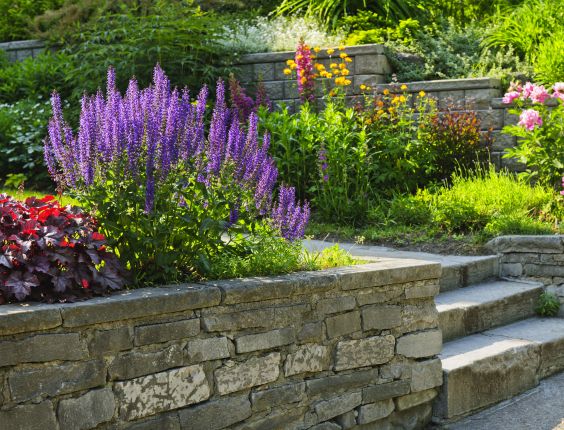
Retaining Walls Can Help Define the Yard
Outdoor spaces are often easier to use when different areas have a clear purpose.
A retaining wall can help establish that structure.
It may separate a patio from a higher planting area, create a clearer transition between levels, or help organize a yard where the terrain changes.
The wall itself can also become part of the visual character of the landscape.
Its scale, lines, materials, and surroundings all affect how it looks. Planting can soften its edges, while nearby pavers or concrete can help connect it with other hardscape elements.
The result should feel like one landscape rather than several unrelated features.
Choosing a Look That Fits Your Property
There is no single retaining wall material or style that works for every Glendale home.
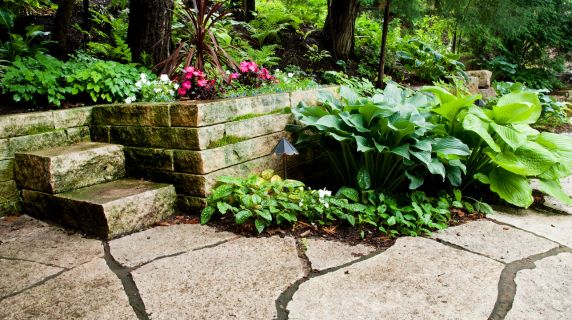
Natural Stone Walls
Natural stone walls can introduce texture and variation into a landscape.
Because individual pieces of stone naturally vary, the finished wall can have a softer, more organic appearance. Natural stone may work particularly well where the surrounding landscape already has planting and other natural elements.
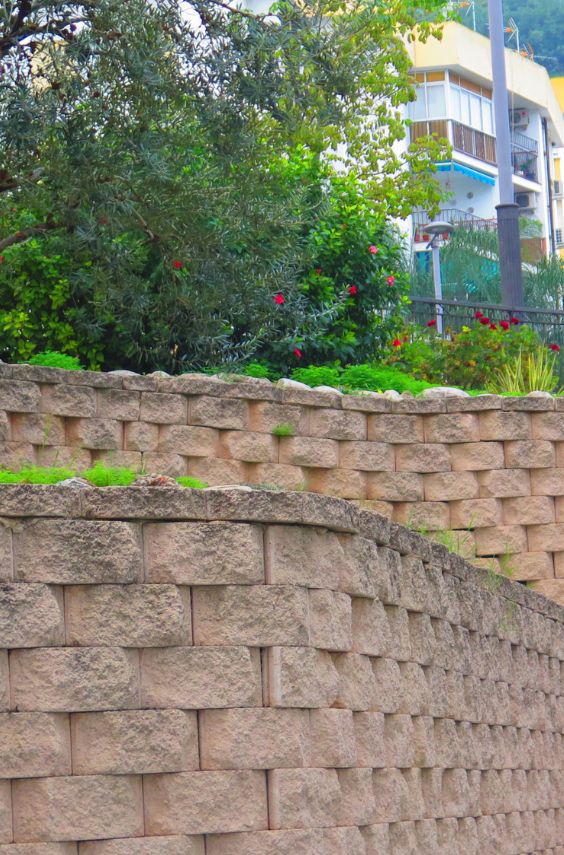
Concrete Walls
Concrete can provide a cleaner, more structured look.
Concrete retaining walls may also coordinate naturally with other concrete features included in the landscape. The design should consider how those surfaces relate rather than selecting each feature separately.
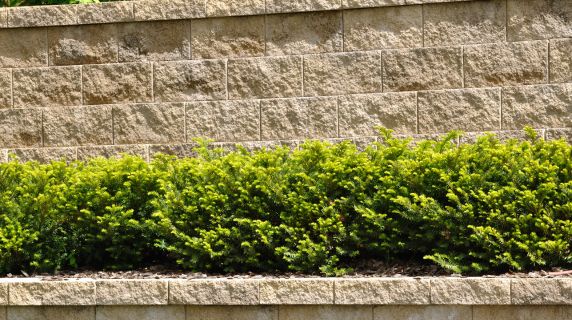
Block Walls
Block can create clear lines and repeating patterns.
It can work with different outdoor environments depending on the overall design and the materials already used around the home.
Rather than choosing between stone, concrete, or block based on a trend, we consider what makes sense for the specific project and property.
Our Retaining Wall Process
Clear communication from the beginning helps everyone understand how the project will move forward.
1. Start With an On-Site Consultation
We begin by discussing what you want to accomplish.
Our team looks at the project area, slope, soil, drainage, existing landscape, nearby structures, and access. We also talk about how the surrounding yard is currently used and whether other landscape improvements are being considered.
2. Receive a Proposal
After the consultation, Pristine Gardenscape prepares a proposal based on the details discussed.
The scope of the project, materials, site conditions, wall height and length, access, excavation and grading needs, and other specific requirements can influence the work involved on wall projects. Some retaining wall projects in Glendale start around $20 per square foot, but costs vary by design and site conditions. Concrete retaining walls typically cost more than timber options. A geotechnical report may be needed when hillside conditions or heavy loads are involved.
If you are ready to proceed, we collect a deposit and begin the design process.
3. Develop the Design
The wall is then considered within the wider property.
We look at its position, materials, surrounding landscape, nearby hardscape, and how it connects with other areas of the yard.
When the retaining wall forms part of a larger landscape project, this stage also allows the different features to be planned together.
4. Move Into Construction
Once the project direction is established, the work moves into construction and installation.
Our design-and-build approach keeps the original planning connected with the work taking place on the property.
An Experienced Team for the Complete Project
When comparing options for a retaining wall contractor in Glendale, CA, it helps to consider more than wall construction alone.
How will the wall relate to the rest of your landscape? What happens to the surrounding grade? How will nearby patios, pavers, planting, irrigation, or drainage connect with it? Those details affect long-term safety and overall performance on sloped properties.
Pristine Gardenscape approaches these questions as a landscape design-and-build company.
Our team brings over 50 years of combined landscaping experience to outdoor design and installation projects. We focus on professional workmanship, quality materials, thoughtful planning, and clear communication while keeping the process approachable for homeowners. That includes planning for drainage and structural integrity so the finished wall supports the site properly over time.
Pristine Gardenscape is also a licensed landscape contractor, Lic. 1113804, C-27. In California, contractors must be licensed to perform work that requires a permit. Contractors should also carry liability insurance and workers’ compensation coverage as required in California.
Start Planning Your Glendale Retaining Wall
Every yard has its own terrain, soil conditions, drainage considerations, existing features, and everyday uses.
If you are considering retaining wall installation in Glendale, CA, Pristine Gardenscape can help you plan the project around your property and wider outdoor space. From consultation and design through construction and installation, our experienced team keeps the complete landscape in view.
Connect the Wall With Your Complete Landscape
A retaining wall does not have to be treated as a stand-alone construction project.
It can be one part of a much larger outdoor environment.
For example, a wall might define the edge of a patio while planting helps soften the transition. Pavers could form a walkway nearby, while artificial turf or sod creates an open green area elsewhere in the yard.
Pristine Gardenscape provides complete landscape installations that can bring together:
- Retaining walls and other hardscaping
- Concrete and pavers
- Patios and walkways
- Planting
- Irrigation
- Sod and artificial turf
- Drainage
- Pergolas
- Fencing
- Landscape lighting
- Custom outdoor features
Why Choose Us For Landscaping In Sherman
- Licensed landscape contractor, Lic. 1113804, C-27
- TRANSPARENT PRICING WITH NO SURPRISE COSTS
Schedule Your Free Consultation Today
Contact us today for a free, no-obligation consultation and discover what’s possible for your outdoor space.